
Introduction
Artificial Intelligence (AI) is transforming many aspects of our daily lives, and education is one of the fields experiencing the biggest changes. From personalized learning platforms to intelligent tutoring systems, AI is helping students learn more effectively and helping teachers improve the learning experience. As technology continues to evolve, AI is becoming an important tool that supports modern education and prepares students for the future https://www.youtube.com/watch?v=MFnn2zj3byA
Personalized Learning
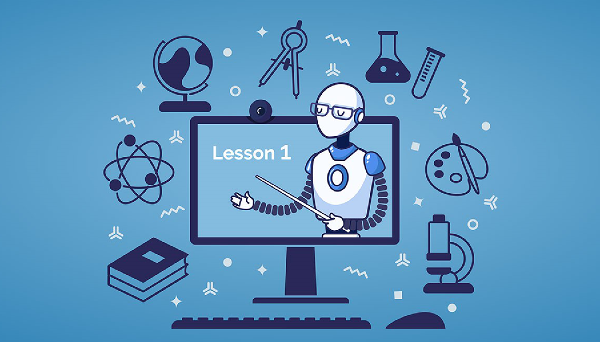
One of the most powerful impacts of AI in education is personalized learning. Every student learns differently—some learn quickly while others need more time and practice. AI-powered learning platforms analyze student performance, learning speed, and mistakes to create customized lessons.
For example, if a student struggles with mathematics, the AI system can automatically provide additional exercises and explanations. This allows students to learn at their own pace and improves understanding instead of forcing everyone to follow the same learning path.
“Artificial intelligence will not replace teachers, but teachers who use AI will replace those who don’t.”
Smart Tutoring Systems
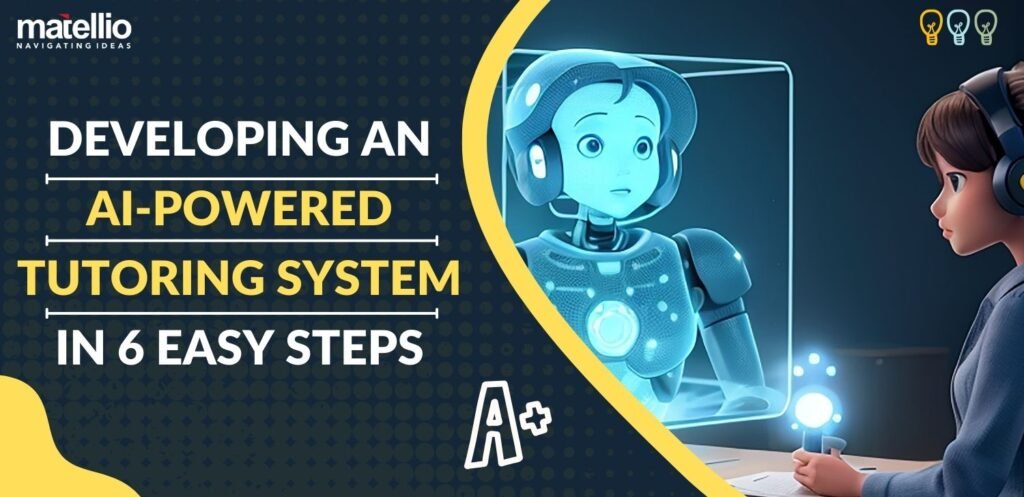
AI also enables smart tutoring systems that act like virtual teachers. These systems can answer student questions, explain complex topics, and provide instant feedback. Unlike traditional classrooms where teachers may not have enough time to help every student individually, AI tutors are available anytime.
Students can practice subjects like science, languages, or coding and immediately know if their answers are correct. This quick feedback helps students learn from mistakes faster and build confidence in their abilities.
Automated Grading and Teacher Support
Another major benefit of AI is automation of administrative tasks. Teachers spend a lot of time grading assignments and tests. AI tools can automatically evaluate quizzes, assignments, and even some essays.
This saves teachers time so they can focus more on teaching, mentoring, and interacting with students. AI can also analyze class performance and help teachers understand which topics students find difficult.
Improving Accessibility in Education
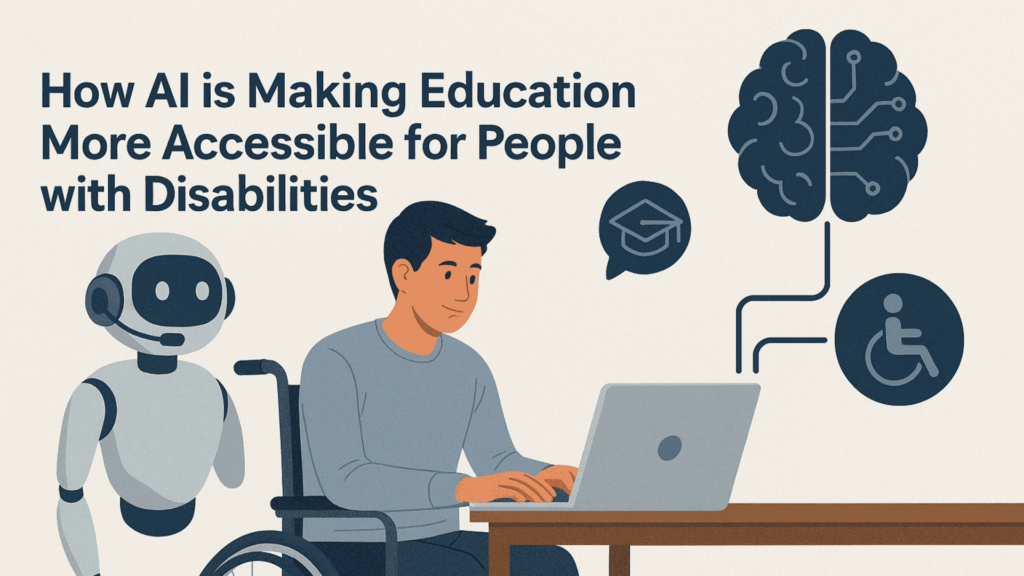
AI is making education more accessible for everyone. Tools like speech recognition, language translation, and text-to-speech help students with disabilities or language barriers.
- For example:
- Students with visual impairments can listen to lessons through AI reading tools.
- Language translation systems help international students understand lessons more easily.
- AI captions help hearing-impaired students follow lectures.
Challenges and Ethical Concerns
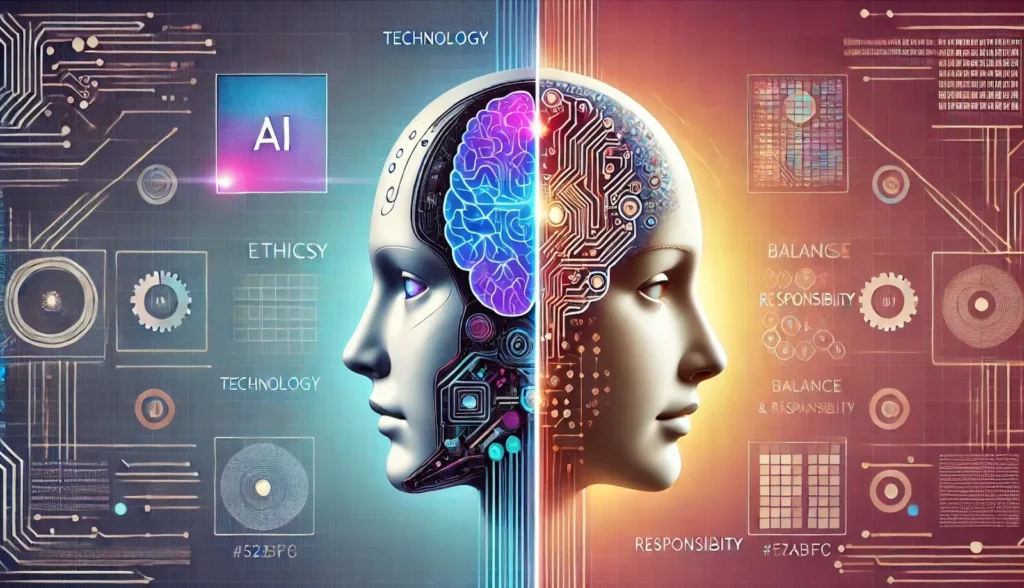
Although AI offers many advantages, there are also challenges. Privacy, data security, and over-reliance on technology are important concerns. Schools must ensure that student data is protected and that AI is used responsibly.
Teachers will also remain essential in education. AI should support educators, not replace them. Human guidance, creativity, and emotional understanding are still crucial parts of learning.
Conclusion
AI is shaping the future of education by making learning more personalized, accessible, and efficient. With the help of intelligent systems, students can receive better support and teachers can focus more on inspiring and guiding learners. As AI technology continues to develop, it will play an even bigger role in creating smarter and more inclusive educational systems.