
INTRODUCTION
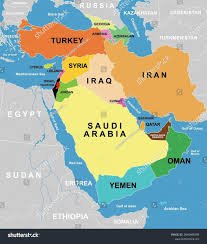
The Middle East is once again at the center of global attention due to the escalating conflict between Iran and Israel. What began as indirect confrontations through regional allies has evolved into direct military exchanges, raising fears of a wider regional war. Analysts now argue that this conflict could reshape political alliances and redraw the strategic “map” of the Middle East.
Recent military strikes, political tensions, and shifting alliances indicate that the region is entering a new geopolitical era where power balances are changing rapidly.
Background of the Iran–Israel Rivalry
Iran and Israel have been geopolitical rivals for decades. Israel views Iran’s nuclear program and regional influence as a major security threat, while Iran sees Israel as an occupying power supported by Western governments.
Tensions intensified after repeated attacks and cyber operations between the two countries. The rivalry escalated significantly after the 2025 Israel–Iran conflict, often described as the “12-day war,” which caused casualties and infrastructure damage on both sides.
Since then, both sides have increased military readiness and alliances with regional actors.
The 2026 Escalation
In February 2026, the conflict reached a new level when the United States and Israel launched coordinated strikes on Iran, targeting military facilities and leadership structures.
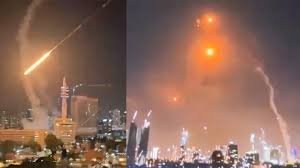
The strikes reportedly included hundreds of attacks on missile systems, air defenses, and strategic infrastructure. In response, Iran launched missile and drone attacks across the region, targeting military bases and diplomatic facilities connected to the United States and its allies.
According to reporting from Al Jazeera, Tehran declared a new strategy of “active and unprecedented deterrence”, signaling a more aggressive response to perceived threats.
Regional Impact: A Changing Middle East
The conflict is not limited to Iran and Israel alone. Many Middle Eastern countries are being drawn into the crisis.
- Lebanon: Israeli airstrikes targeting Hezbollah positions have caused widespread destruction and displacement of civilians.
- Gulf States: Iranian missile strikes have targeted military bases and infrastructure across the Gulf region.
- Global Economy: Rising tensions threaten vital oil routes such as the Strait of Hormuz, through which hundreds of billions of dollars in energy supplies pass each year.
These developments suggest that the geopolitical boundaries and alliances of the Middle East may change dramatically.
The Idea of a “New Middle East Map”
Political analysts increasingly talk about a “new map of the Middle East.”
This idea does not necessarily mean physical borders changing immediately, but rather shifts in:
- military alliances
- political influence
- economic routes
- regional power structures
Some discussions have also emerged around concepts such as “Greater Israel,” which has triggered debates about sovereignty and territorial influence in the region.
Meanwhile, regional powers such as Turkey, Saudi Arabia, and Gulf states are recalculating their positions as the conflict intensifies.
Human Cost of the Conflict
Beyond geopolitics, the conflict has had severe humanitarian consequences. Airstrikes and missile attacks have killed hundreds of civilians and destroyed homes, infrastructure, and schools.
In many cities across the Middle East, people now live under constant fear of escalation, air raid sirens, and economic uncertainty.
These human stories remind us that behind the political narratives and military strategies, ordinary civilians are the ones who suffer the most.
The “Greater Israel” Debate and Allegations of Atrocities
As tensions grow across the region, many analysts and activists argue that the current conflicts are connected to broader ideological debates about the idea of Greater Israel. The concept refers to a vision promoted by some political and religious groups that suggests Israel should expand its influence or territorial control across areas historically connected to ancient Jewish kingdoms.
Critics say that Israeli military operations in Gaza Strip, the West Bank, and parts of neighboring countries have resulted in widespread destruction and civilian suffering. Human rights organizations and international media outlets such as Al Jazeera have reported on airstrikes, displacement of civilians, destruction of homes, and restrictions on humanitarian aid during military operations.
Many Palestinians and regional observers argue that such actions aim to weaken Palestinian presence and expand Israeli control. These allegations are frequently linked to the policies of leaders such as Benjamin Netanyahu, whose government has supported the expansion of Israeli settlements in the West Bank. Critics claim these policies are part of a long-term strategy to change the demographics and political reality of the region.
However, the Israeli government rejects these accusations and states that its military operations are conducted for national security and defense against groups such as Hamas and Hezbollah.
The debate over “Greater Israel” has therefore become an important element in discussions about the future geopolitical map of the Middle East. For many observers, the ongoing conflicts in Gaza, Lebanon, and tensions with Iran suggest that regional boundaries, alliances, and power structures may continue to shift in the coming years.
Human Cost of the Conflict
Beyond geopolitics, the conflict has had severe humanitarian consequences. Airstrikes and missile attacks have killed hundreds of civilians and destroyed homes, infrastructure, and schools.
In many cities across the Middle East, people now live under constant fear of escalation, air raid sirens, and economic uncertainty.
These human stories remind us that behind the political narratives and military strategies, ordinary civilians are the ones who suffer the most.
Civilian Impact: The Minab School Strike
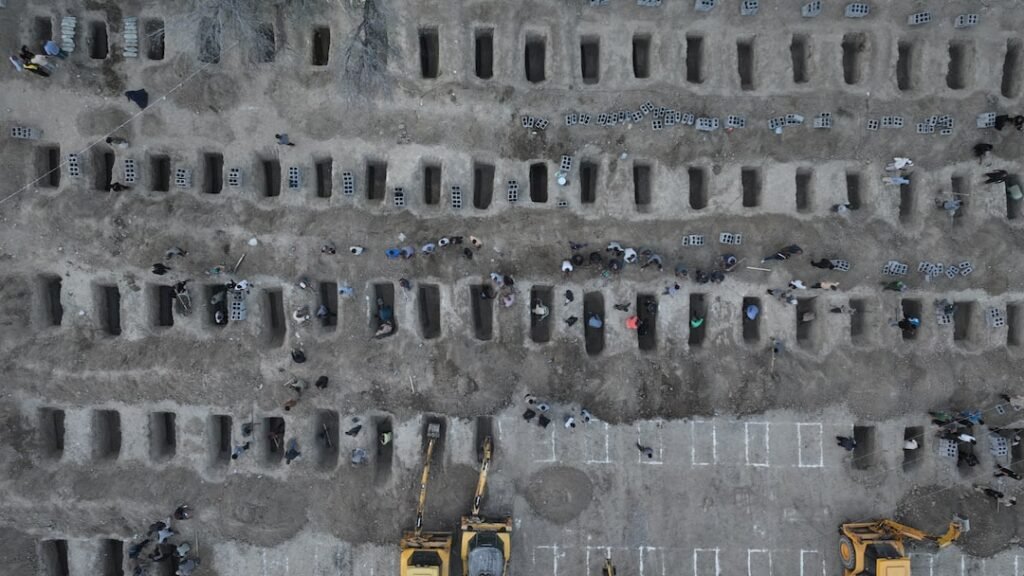
One of the most tragic incidents during the recent Iran–Israel escalation occurred on 28 February 2026 in the city of Minab in southern Iran. Reports indicated that an airstrike hit the Shajareh Tayyebeh Girls’ Elementary School during school hours. The attack caused heavy casualties, with many young students and staff members killed or injured. Iranian officials blamed Israel and its allies for the strike, while international analysts suggested that the target may have been a nearby military-related facility.
The incident drew strong reactions across the Middle East and globally. Media outlets such as Al Jazeera highlighted the humanitarian consequences of the escalating conflict. The tragedy also intensified debates about civilian safety, international law, and the risks of military operations in populated areas.
Events like the Minab school strike illustrate how the Iran–Israel confrontation is not only a geopolitical struggle but also a humanitarian crisis affecting ordinary people across the region.
Conclusion
The Iran–Israel confrontation is more than just another regional conflict. It represents a turning point that could reshape the geopolitical landscape of the Middle East.
Whether through military escalation, new alliances, or diplomatic negotiations, the region is entering a period of transformation. The coming years will determine whether this crisis leads to further instability or opens the door to a new political order in the Middle East.
Sources:
- Al Jazeera reports on the Iran–Israel conflict
- International news analysis and Middle East security reports
- Global news agencies and geopolitical research publications