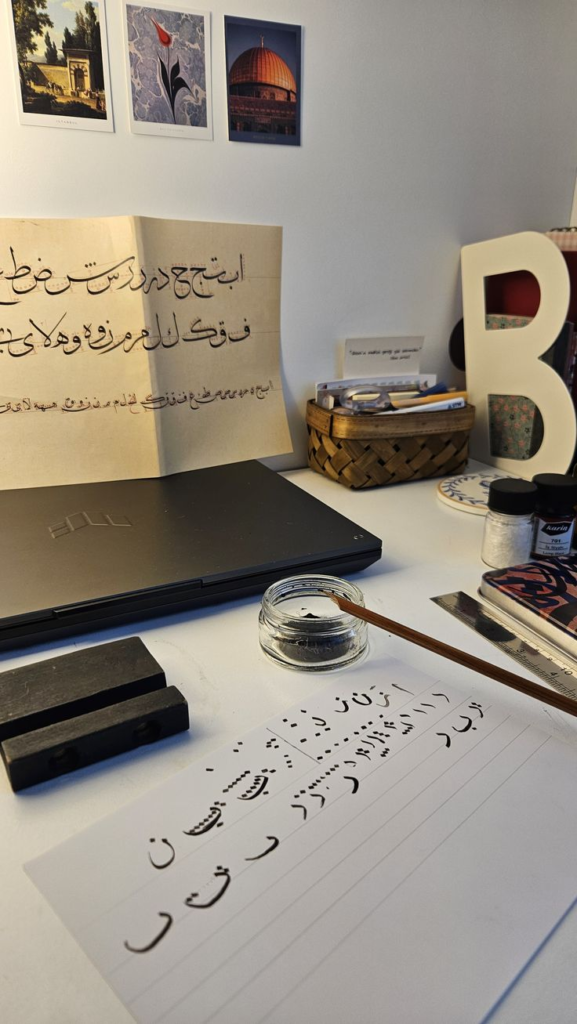
After reading about the soulful depth of Urdu many people wonder: Is it too difficult to learn? The answer is a resounding No. While the script might look intimidating at first, Urdu is one of the most rewarding languages to master. Whether you want to understand Ghalib’s poetry or just want to improve your vocabulary, here is a simple roadmap to start your Urdu journey.
1. Start with the Sound (Listening).
Before you jump into writing, train your ears. Urdu is a phonetic language, meaning it sounds exactly like it’s written.
- Listen to Ghazals: Listen to legends like Jagjit Singh or Mehdi Hassan. Their clear pronunciation (Talaffuz) is the best teacher.
- Watch Coke Studio: Many songs have Urdu subtitles that help you connect words with meanings.
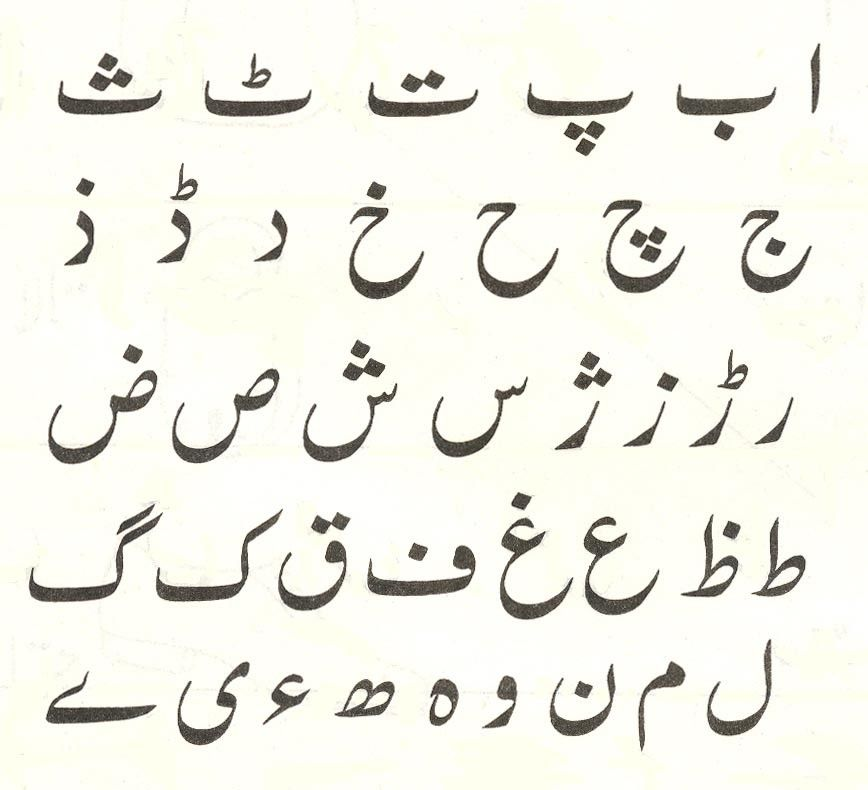
2. Master the “Huroof-e-Tahajji” (The Alphabet).
Urdu is written in the Nastaliq script, from right to left.
- Don’t try to learn all 39 letters in one day.
- Start with the basics: Alif, Bey, Pey, Tey, Sey.
- Pro Tip: If you know how to read Arabic or Persian, you are already 70% there!
3. Build Your “Aesthetic” Vocabulary.
Instead of learning boring grammar rules, start with words that you can actually use. Swap common English words with Urdu ones in your daily life:
- Instead of ‘Love’, use Ishq or Mohabbat.
- Instead of ‘Wait’, use Intezaar.
- Instead of ‘Gift’, use Tohfa.
4. Best Free Resources to Use.
You don’t need expensive classes. Use these goldmines:
- Rekhta.org: The world’s largest website for Urdu poetry. It has a built-in dictionary—just click on any word to see its meaning.
- YouTube: Channels like Aamozish are great for learning the script step-by-step.
- Language Apps: Duolingo or Mondly offer basic Urdu courses.
5. Don’t Worry About Perfection.
The most important part of learning Urdu is Talaffuz (Pronunciation). Even if you make mistakes, keep speaking. The Urdu community is known for its hospitality; they will love your effort more than your perfection!
Conclusion.
Learning Urdu is like opening a treasure chest of culture, history, and emotion. Start small, stay consistent, and soon you’ll be reading your first couplet of poetry!