

In today’s fast-paced, interconnected world, the phrase “yes” rolls off our tongues with practiced ease. We say yes to extra work assignments, yes to social invitations we’d rather skip, and yes to requests that strain our resources and mental well-being. But what about that other, powerful word? The word “no”?
The art of saying “no” is becoming increasingly rare. We’re conditioned to be helpful, accommodating, and people-pleasers. Saying “no” can feel selfish, rude, or even like we’re letting others down. However, learning to decline invitations, requests, and commitments that don’t align with our priorities and values is not a negative act; it’s an essential act of self-preservation and growth.
Reclaiming Your Sanctuary
The relentless pressure to say “yes” erodes our mental energy. It leaves us overcommitted and unable to give our best to the things that truly matter. When we learn to decline requests—social invitations we’d rather skip, or extra work assignments—we create space in our lives. We reclaim our time to focus on our passions, our health, and our deepest connections.
The Success Secret
Saying “no” isn’t about being unhelpful. It’s about being intentional. It allows you to prioritize.
“The difference between successful people and very successful people is that very successful people say ‘no’ to almost everything.” – Warren Buffett
By selectively saying “yes” only to opportunities that align with our values, we show up more fully. We free up resources to pursue meaningful goals rather than scattering our energy.

Mastering the Gentle Decline
Saying “no” gracefully takes practice.
- Be Direct and Honest: A simple “No, I’m afraid I can’t,” is respectful and clear. You don’t always need a long explanation.
- Set Boundaries: Define your capacity and respect it.
- Offer Alternatives (if appropriate): If you can’t help fully, suggest a smaller way you could contribute, or someone else who might be able to.
The Ripple Effect
Respecting your own time sets a standard. It models healthy boundaries for others, showing it’s okay to prioritize well-being. Furthermore, when you decline commitments you cannot fully support, you prevent subpar results and allow others to find someone who can fully commit.
Embracing the power of “no” is a rare, life-changing skill. It’s about cultivating the discipline to protect your peace.
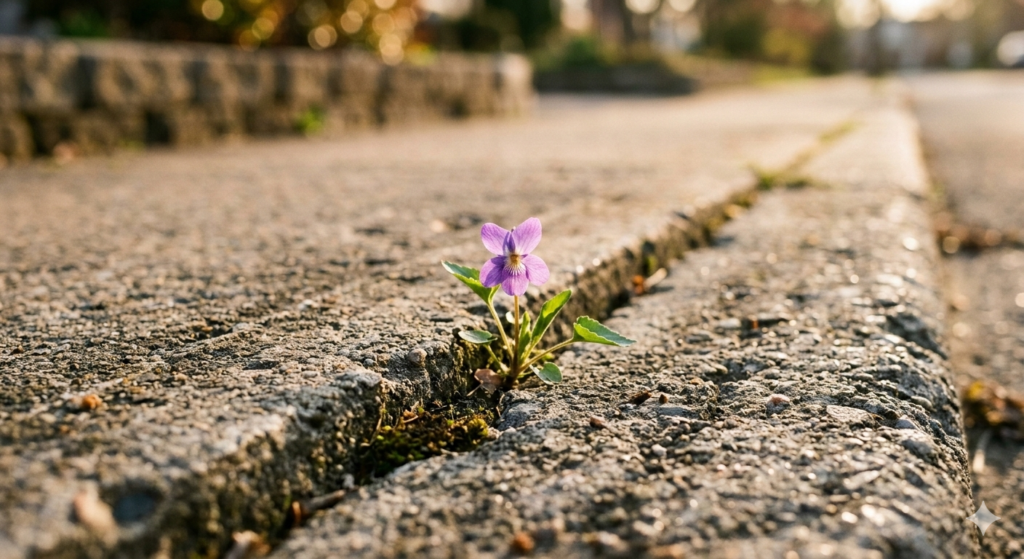
Let’s start polishing this rare gem.