
Introduction
In today’s busy lifestyle, people often choose fast and processed foods for convenience. While these foods may taste good, they can negatively affect not only physical health but also mental well-being. The connection between diet and mental health is strong, and poor eating habits can lead to issues like stress, anxiety, and low mood.
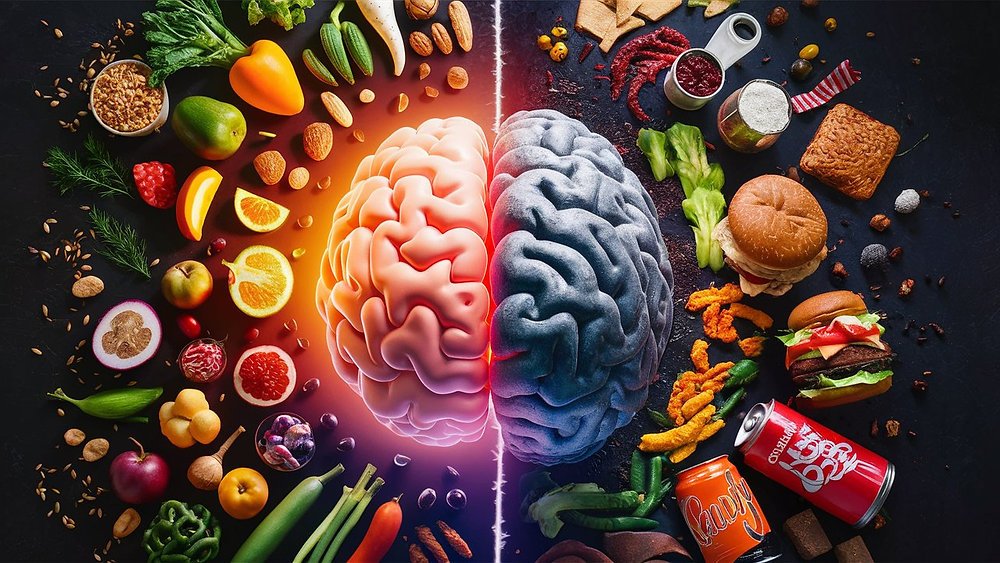
How Unhealthy Food Affects the Brain
Unhealthy foods are usually high in sugar, refined carbohydrates, and unhealthy fats. These can impact brain function and emotional balance.
🔹 Key Effects on the Brain:
- 🍔 High sugar levels can cause mood swings
- 🍟 Processed foods may reduce brain efficiency
- 🥤 Excess caffeine and soft drinks can increase anxiety
Such foods may give temporary pleasure but can harm mental stability over time.
Mental Health Problems Linked to Poor Diet
A poor diet can contribute to several mental health issues:
Common Problems:
- Stress and anxiety❌
- Depression❌
- Lack of focus and concentration ❌
- Fatigue and low energy❌
Regular consumption of unhealthy food can worsen these conditions and reduce overall quality of life.
Healthy Eating Tips for Better Mental Health
Improving your diet can positively impact your mood and mental well-being.
Simple Tips:
- Eat balanced meals with fruits and vegetables✅
- Include protein-rich foods like nuts and pulses✅
- Drink enough water✅
- Avoid excessive junk food and sugar✅
Healthy eating helps improve brain function and emotional stability.
Conclusion
Unhealthy food not only harms the body but also affects mental health. By making healthier food choices, individuals can improve their mood, reduce stress, and enhance overall well-being. A balanced diet is an important step toward a healthier mind and a happier life.